FREE BRAND DESIGN GUIDE
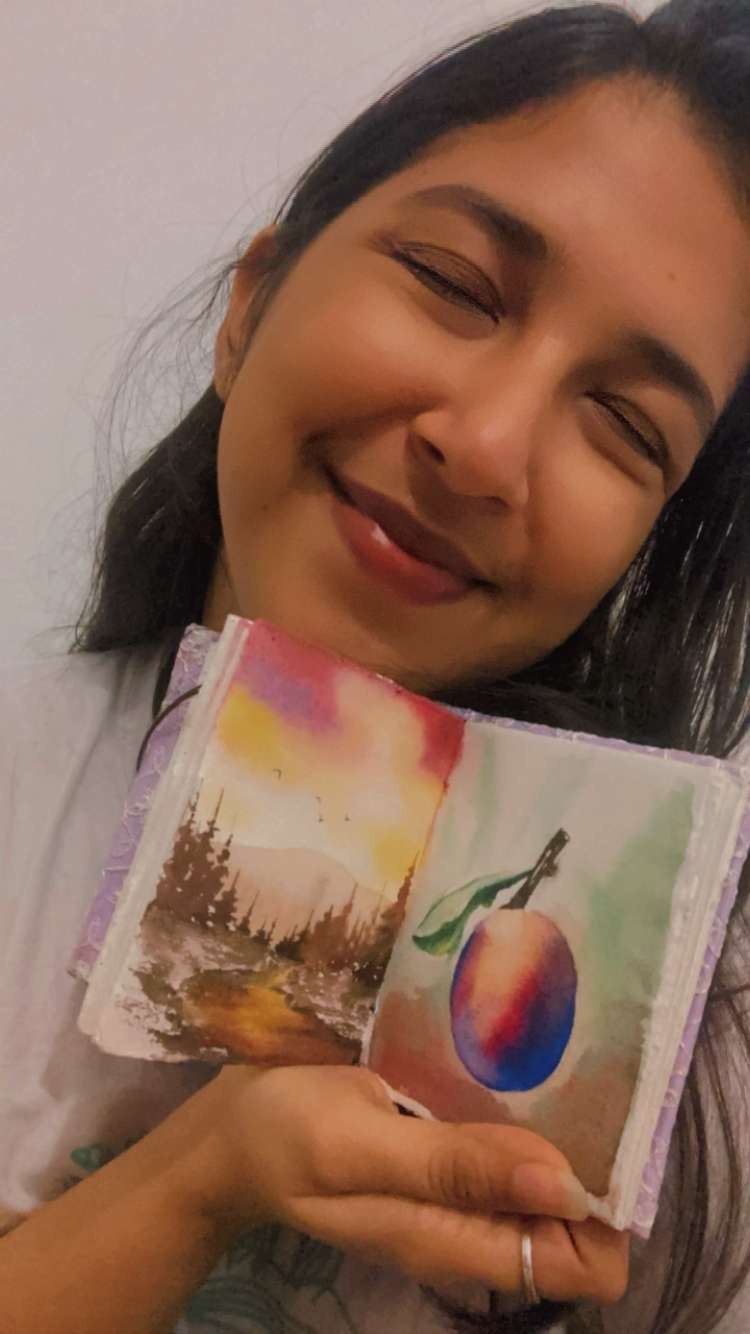
HIEE, WE'RE VITHIKA & RAHUL
The designers behind
Visual Mess Studio.
We started out as artists - not designers with a plan.
Somewhere between messy notebooks and too many "should we actually do this?" conversations, we noticed something that kept nagging at us: "creative businesses have the most unique stories, but often the least aligned branding."
We felt that gap ourselves. So we built the kind of studio we wished existed when we were starting out where great design and clear strategy actually go hand in hand.
I'M RAHUL
HIEE,
I'M VITHIKA


BEFORE WE START
This isn't just another checklist you'll open & forget.
We've designed this to be digestible and actionable - real steps you can take to build a brand that truly represents you.
🙋🏽♀
🙋🏽
LAYING THE GROUNDWORK
(01) What problem does your brand solve?
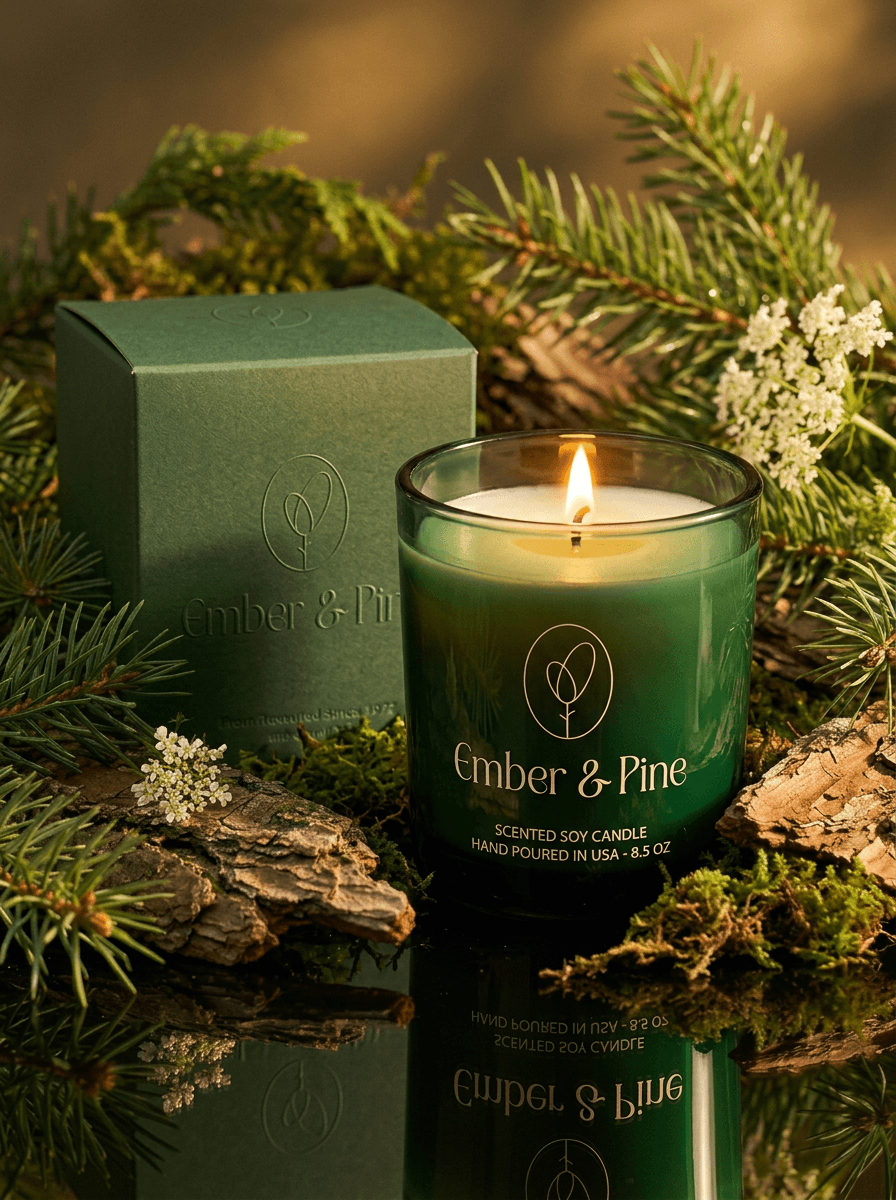
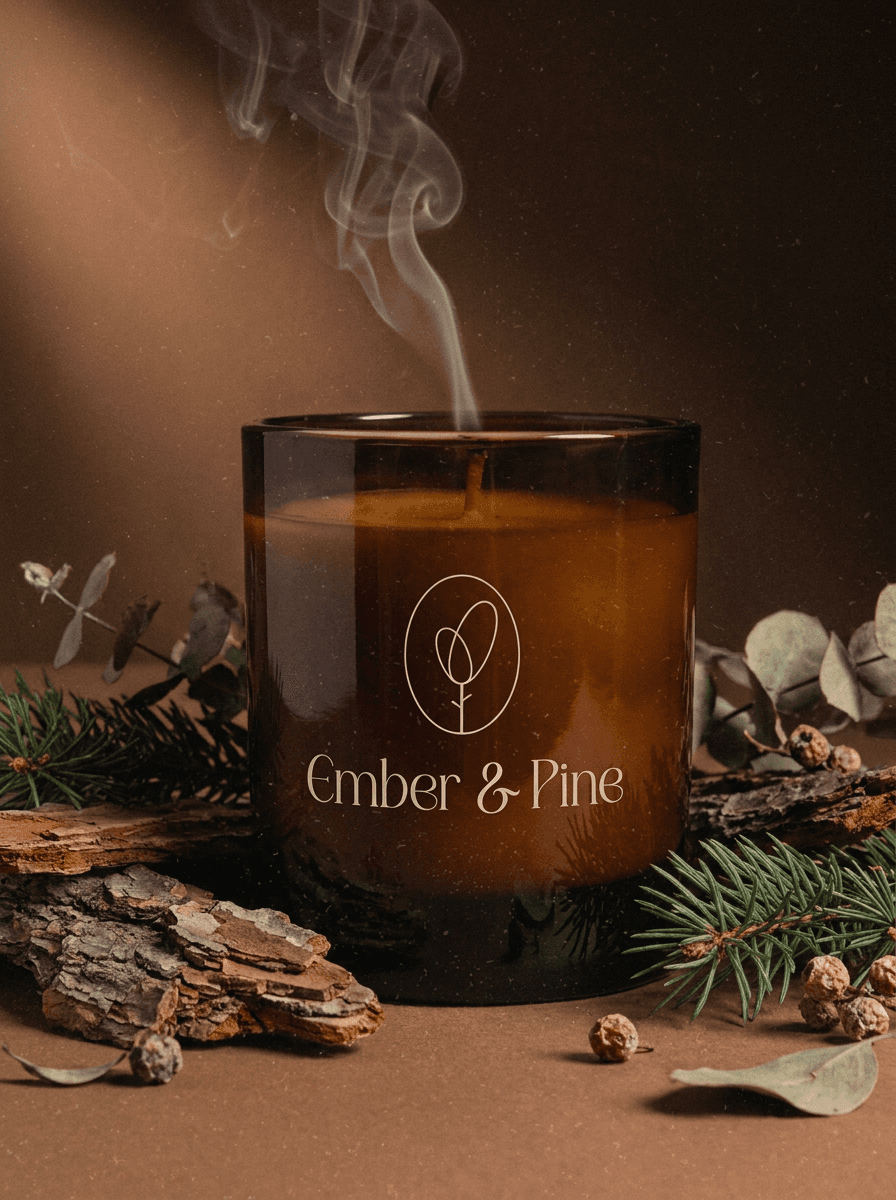
This is the question most creative businesses never properly answer and it's costing them sales. You might think: "I make candles, I don't solve a problem." But you do. Maybe you help people create a calm, intentional home environment. Maybe you give someone a way to give a truly personal gift.
When you're clear on the problem you solve, your audience feels understood - and people buy from brands that understand them.
ASK YOURSELF
✦ How are you actually helping people specifically?
✦ What does someone's life look, feel, or work like after they find you?
✦ What's the frustration or gap your work is addressing?
TO DO:
(02) Your brand message
A strong brand message is clear, not clever. It tells people exactly what you offer, who it's for, and why it matters - without making them work for it. Aim for that "yes, this is for me" moment. Connection, not confusion.
A GOOD BRAND MESSAGE
✦ Makes it instantly obvious what you do and who you do it for
✦ Connects to a feeling or outcome, not just a product
✦ Sounds like a human, not a corporate press release
✦ Creates a "yes, this is for me" moment - not a "let me think about it" moment
TO DO:
(03) Your target audience
Everything in your brand: the words, the colours, the photos, the tone - should be built to attract one specific person. Not everyone. One person. When you try to speak to everyone, you connect with no one. The more specific you are about who you're building for, the more magnetic your brand becomes to that exact person.
A GOOD BRAND MESSAGE
✦ Makes it instantly obvious what you do and who you do it for
✦ Connects to a feeling or outcome, not just a product
✦ Sounds like a human, not a corporate press release
✦ Creates a "yes, this is for me" moment - not a "let me think about it" moment
TO DO:
WHAT'S INSIDE
BRAND SRATEGY - ASSET 01-04
(01) Brand Values
Your brand values aren't a list of nice words you put on your About page and forget. They're the beliefs that shape every decision you make - what you say yes to, what you say no to, how you treat your clients, and what you want your brand to be known for.
When your values are clear and genuinely reflected in your work, you attract people who are aligned with them. That's how you build a community of buyers who keep coming back.
HOW TO DEFINE YOUR BRAND VALUES
(02) Brand Personality
Think of your brand personality as the traits your brand would have if it were a person. Are you the warm, encouraging friend? The edgy, unconventional creative? The calm, considered expert?
We naturally connect with brands that feel like our kind of people. A strong brand personality shapes whether your audience finds you funny, interesting, trustworthy, or inspiring.
The best part? It doesn't cost anything. You can be as specific and distinct as you want. In fact, the more specific, the better.
HOW TO IDENTIFY YOUR BRAND PERSONALITY
(03) Brand Voice
Your brand voice is how your brand speaks - the consistent personality that comes through in every piece of writing, from your website copy to your Instagram captions to your email replies.
Think of it like this: if your brand showed up as a guest at a dinner party, how would it talk? Would it make everyone laugh? Ask thoughtful questions? Share strong opinions confidently?
Your voice should feel consistent whether someone reads your homepage, your bio, or a reply to a DM. If it shifts dramatically between platforms, people can't build a solid sense of who you are.
HOW TO DEVELOP YOUR BRAND VOICE
(04) Brand Tone
If your brand voice is your personality, your tone is the mood you bring to a specific moment. Voice stays consistent - tone shifts with context.
You'd speak differently in a product launch email than in a response to a customer complaint. But it should always feel like the same person. Tone is what keeps things human and contextually appropriate without losing who you are.
VOICE vs TONE - the key difference
Voice: "We're warm, direct, and a little playful." - this never changes.
Tone: "In a product launch we're excited. In a complaint response we're calm and caring." - this adapts.
TIPS TO DEVELOP YOUR BRAND'S VOICE
BRAND IDENTITY - ASSETS 05-09
(05) Logo
A logo isn't decoration. It's the fastest way your brand gets recognised - before anyone reads your name, before they see your price, before they decide if you're worth trusting.
Most creative businesses underestimate what their logo is actually doing (or failing to do). It should work at any size, in any colour, on any background. It should feel like you in two seconds flat.
QUICK AUDIT
(06) Color Palette
Think about the last time you stopped scrolling because something caught your eye. Colour did that - before you read the name, before you saw the price, before you knew what it was.
For a creative business, your colour palette is what makes someone recognise your packaging from three stalls away. It's what makes your feed feel cohesive even when the photos are different. It's what makes people feel something about your brand before they can explain why.
And inconsistent colour does the opposite - slightly different shades across your website, your labels, your posts - creates a feeling of "something's off" that your audience can't name but absolutely feels.
HOW TO BUILD YOUR BRAND COLOR PALETTE
(07) Typography
Just like colour, different fonts evoke different emotions. It's not just about what you say - it's about how you say it. Typography connects the dots between who you are and how you express that to the world.
Just like your logo and colour palette, it's an opportunity to showcase your brand's personality through the typefaces you choose. Get it right and everything feels cohesive. Get it wrong and even beautiful copy can feel off-brand.
TIPS FOR CHOOSING THE RIGHT FONT
(08) Imagery
Your imagery is your brand's visual language - and it's often what people remember first, before they can articulate why they trust you (or don't). It's not just the photos you post. It's the style, the mood, the colours, the light, the way your products are styled.
All of it is communicating something about who you are and what it feels like to buy from you. Choose from photography, illustrations, or icons, you don't need all three. Pick what resonates most with your brand and audience and do that one thing consistently.
IMAGERY AUDIT
(09) Brand Guideline
This is where everything comes together into one document - your brand's rulebook. Not just for big agencies. For a small creative business, it's what keeps you consistent when you're tired, when you're outsourcing something, or when you've forgotten what your original colour palette was.
Brand perception doesn't happen overnight. It builds through the consistent application of clearly defined rules. The businesses that look polished aren't necessarily the ones with the biggest budgets - they're the ones with the clearest guidelines, applied consistently.
WHAT YOUR BRAND GUIDELINE SHOULD INCLUDE
FROM THE STUDIO
4 min read
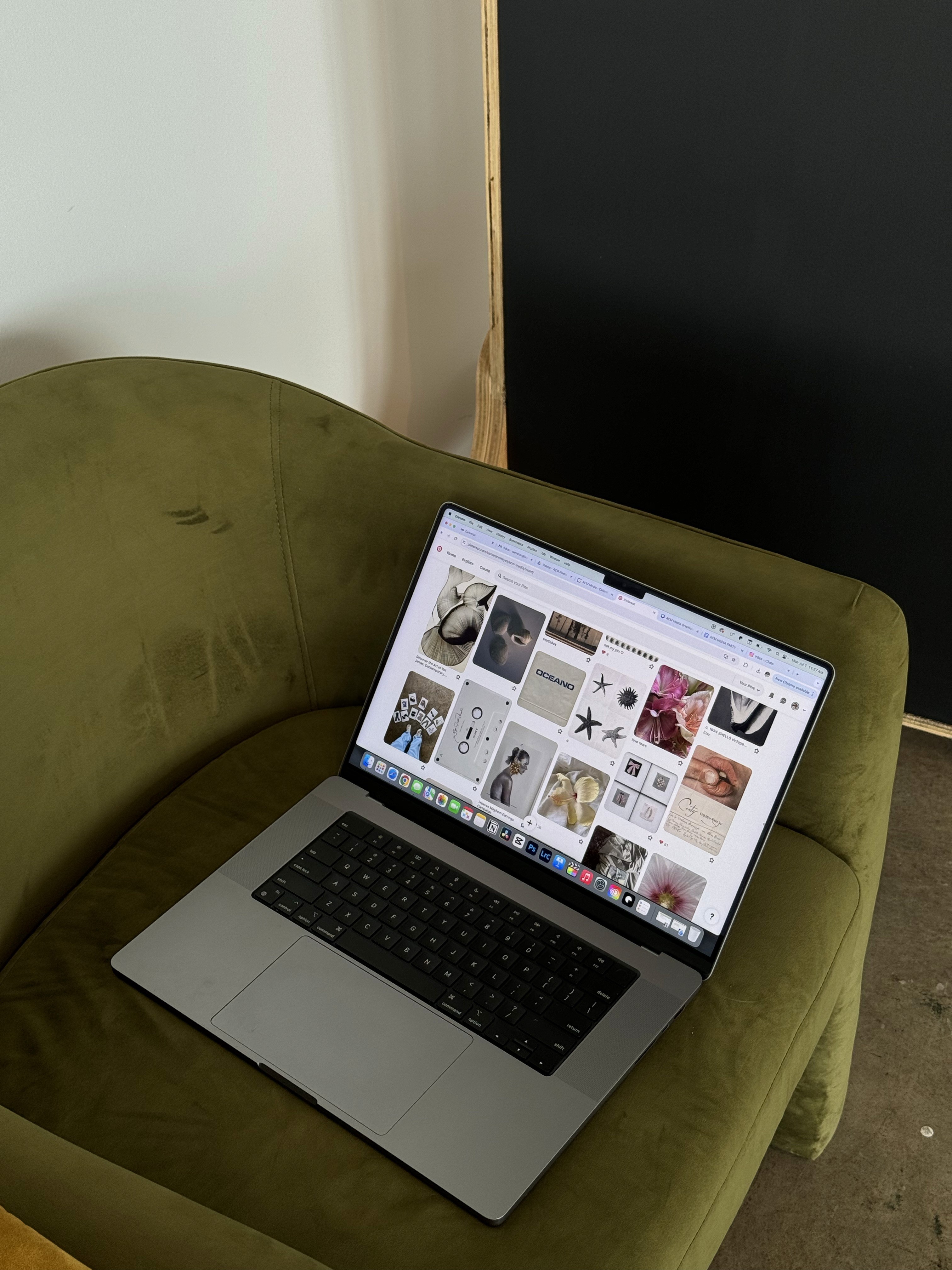
Why People Browse Your Shop, Add to Cart, and Still Don't Buy
Your product isn't the problem - your brand presence is.
5 min read
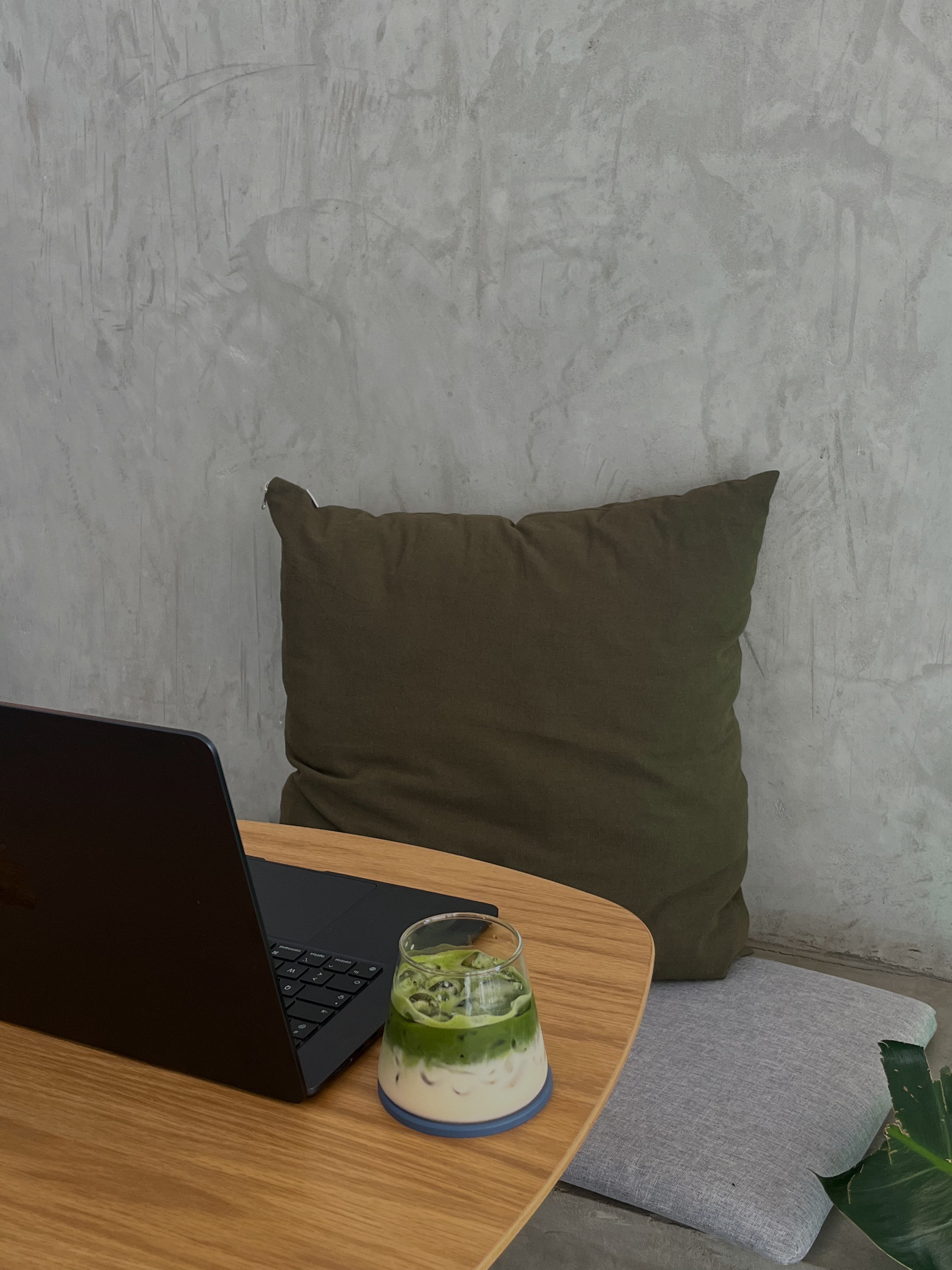
5 Signs Your Brand Is Confusing Your Customers (Without You Realising)
Your brand might be sending the wrong signals.
4 min read
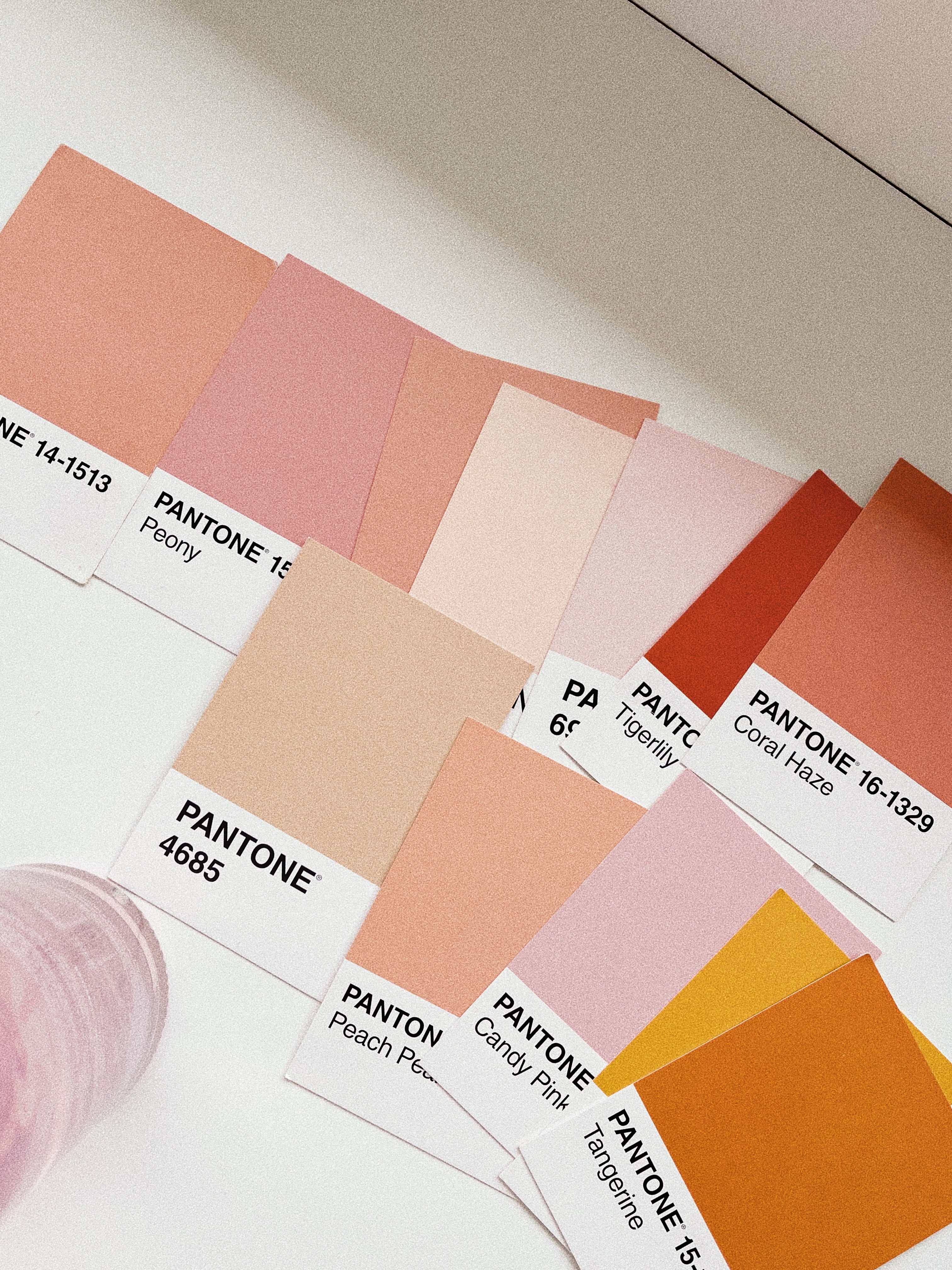
What Buyers Actually Look For Before They Trust a Small Creative Brand
What makes buyers trust and buy from small brands.
BEFORE YOU DECIDE
A few things people
usually ask.
MAKE THE SHIFT